DGX Spark 64 GB (partner builds)
Half the memory for less money — the GB10 platform with 64 GB, sold since October 2026 by NVIDIA's partners rather than as a Founders Edition.
Price
from $4,499
Gigabyte 1 TB at Newegg (2 TB $4,999) · NVIDIA starting price $4,999 · Dell ~$5,437 (1 TB) · UK models listed (Scan: ASUS, MSI) but unpriced
verified 2026-11 · supply & lease options in every proposal
- 64 GB
- Unified memory
- 273 GB/s
- Memory bandwidth
- 1 PFLOP
- Sparse FP4 compute
- 240 W
- Wall power
one coherent CPU+GPU pool
the tok/s ceiling
1,000 AI TOPS
standard socket, near-silent
On 23 October 2026 NVIDIA's partners — Acer, ASUS, Dell, Gigabyte, HP and MSI, but not NVIDIA itself or Lenovo — began selling the GB10 platform with 64 GB of LPDDR5x instead of 128 GB. Everything else is the same: the Grace Blackwell superchip, 273 GB/s of bandwidth, ConnectX-7 clustering and DGX OS.
64 GB is sized for ~100B-parameter models at FP4 and the efficient tier — gpt-oss-20b, Qwen3.8 27B, Gemma 4 31B — while gpt-oss-120b (~65 GB) doesn't fit one unit. NVIDIA's starting price is $4,999 and Gigabyte's 1 TB build is $4,499 at Newegg; UK retailers list ASUS and MSI 64 GB models but hadn't priced them at time of writing.
vs its siblings: The cheapest way onto the GB10 platform; partner-only, with each vendor's own storage and support.
Memory, to scale
64 GB model-visible · bandwidth is the speed limit
Unified LPDDR5x
64 GB · 273 GB/s
LPDDR5x
For scale
RTX PRO 6000 — 96 GB @ 1.79 TB/s
Mac Studio M5 Ultra — 512 GB @ 1.2 TB/s
DGX Station GB300 — 748 GB coherent
Links over ConnectX-7 like the 128 GB Spark — two 64 GB units pool 128 GB for ~200B-parameter models.
What it actually runs
Declared from research and benchmarks, not computed marketing — tokens-per-second figures are cited where a real measurement exists.
- Qwen3.8 27BQ4with headroom~17 GB — the best small model on AA's v5 index
- Gemma 4 31BQAT 4-bitwith headroom~23 GB — Google's own 4-bit build
- Qwen3.6 35BQ4with headroom3B active — fast triage
- gpt-oss-20bMXFP4with headroom~14 GB — pipeline workhorse
- gpt-oss-120bMXFP42+ units linked~65 GB — two linked 64 GB units, or the 128 GB Spark
The full sheet
Compute
- Superchip
- NVIDIA GB10 Grace Blackwell
- GPU
- Blackwell architecture — 6,144 CUDA cores, 5th-gen Tensor Cores
- AI performance
- Up to 1 PFLOP (1,000 TOPS) sparse FP4
- CPU
- 20-core Arm — 10× Cortex-X925 + 10× Cortex-A725
- Interconnect
- NVLink-C2C (CPU ↔ GPU, coherent)
Memory
- Unified memory
- 64 GB LPDDR5x, 256-bit
- Bandwidth
- 273 GB/s
- Model capacity
- ~100B params FP4 inference · ~200B with two linked units
Storage
- NVMe
- 1–4 TB by vendor
Networking & I/O
- Smart NIC
- ConnectX-7, 200 Gb/s total (2× QSFP) — up to three units by direct cable, four via a switch
- Ethernet / wireless
- 1× 10 GbE RJ-45 · WiFi 7 · BT 5.4
- Ports
- 4× USB4 Type-C · HDMI 2.1a
Software
- OS
- NVIDIA DGX OS 7 (Ubuntu 24.04 base)
- Stack
- NVIDIA AI stack, NGC catalogue, NIM microservices, Blueprints, DGX Spark playbooks
- Licence
- 90-day NVIDIA AI Enterprise included (3-year purchasable)
Where it shines
- The cheapest entry to the GB10 platform and its CUDA stack
- Same 273 GB/s, ConnectX-7 clustering and DGX OS as the 128 GB box
- Plenty for efficient-tier (27–35B) models with long context
The trade-offs
- 64 GB rules out 120B-class models on one unit
- Partner-only — no Founders Edition, and UK prices not yet published
- Same 273 GB/s bandwidth ceiling as every Spark
Buy this box for
Understanding NVIDIA DGX Spark
GB10 Grace Blackwell Superchip
The DGX Spark is NVIDIA's reference design for desk-scale AI, built on the GB10 Grace Blackwell Superchip: a 20-core Arm CPU and a Blackwell GPU sharing 128 GB of unified LPDDR5x memory over NVLink-C2C. Because CPU and GPU see one memory pool, sparse models up to ~200 billion parameters (FP4) load whole — no VRAM juggling — and it fine-tunes up to 70B.
It ships as the NVIDIA Founders Edition and as near-identical partner machines from ASUS, Dell, HP, MSI, Lenovo, Acer and Gigabyte — the same superchip with different storage, support and price. Since 23 October 2026 the partners (not NVIDIA or Lenovo) also sell a 64 GB configuration, from $4,999, sized for ~100B-parameter models. NVIDIA now supports up to four linked units over their ConnectX-7 200 Gb ports — two (256 GB) serve ~400B-parameter models, four (512 GB) ~700B — and manual clusters of up to eight. Every box arrives with DGX OS, the NVIDIA AI stack, NIM microservices and a 90-day NVIDIA AI Enterprise licence.
The trade-off is bandwidth: 273 GB/s of LPDDR5x is the tokens-per-second ceiling (gpt-oss-120b runs at ~35–40 tok/s). It is a superb prototyping and small-team inference machine, not a high-concurrency server. And the memory shortage keeps repricing it: the Founders Edition went from $3,999 to $4,699 in February 2026 and is now $6,950 at NVIDIA's US store (£5,999 at Scan), with UK partner boxes from £5,099 to £8,303.
Siblings on the same silicon
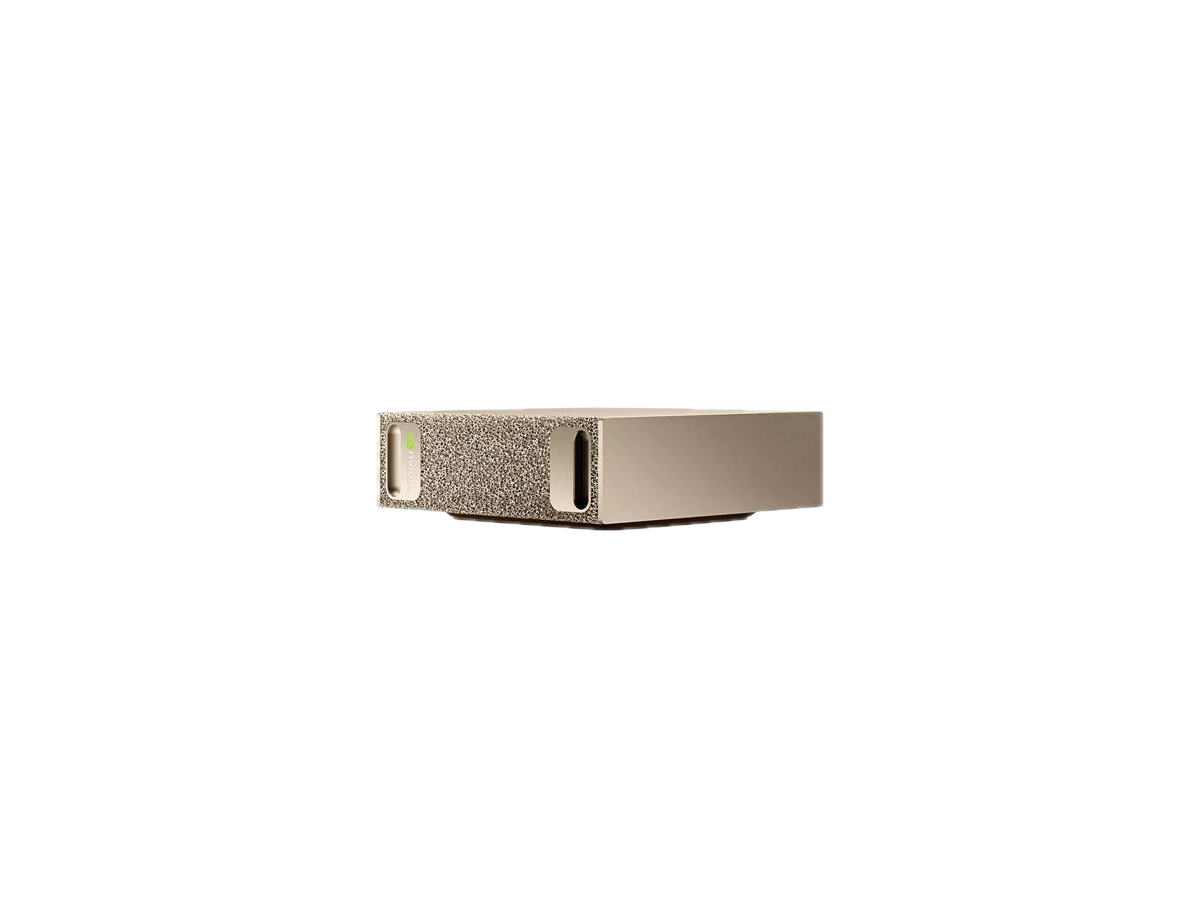
NVIDIA
DGX Spark Founders Edition
The reference machine: NVIDIA's own champagne-gold 1.2 kg desk supercomputer, 4 TB standard, dual QSFP exposed for clustering.
- Memory
- 128 GB
- Bandwidth
- 273 GB/s
- AI perf
- 1 PFLOP FP4
£5,999 inc VAT
Scan UK, in stock (NVIDIA UK store £6,390) · US $6,950 at NVIDIA's store, out of stock (was $4,699 in Feb 2026)
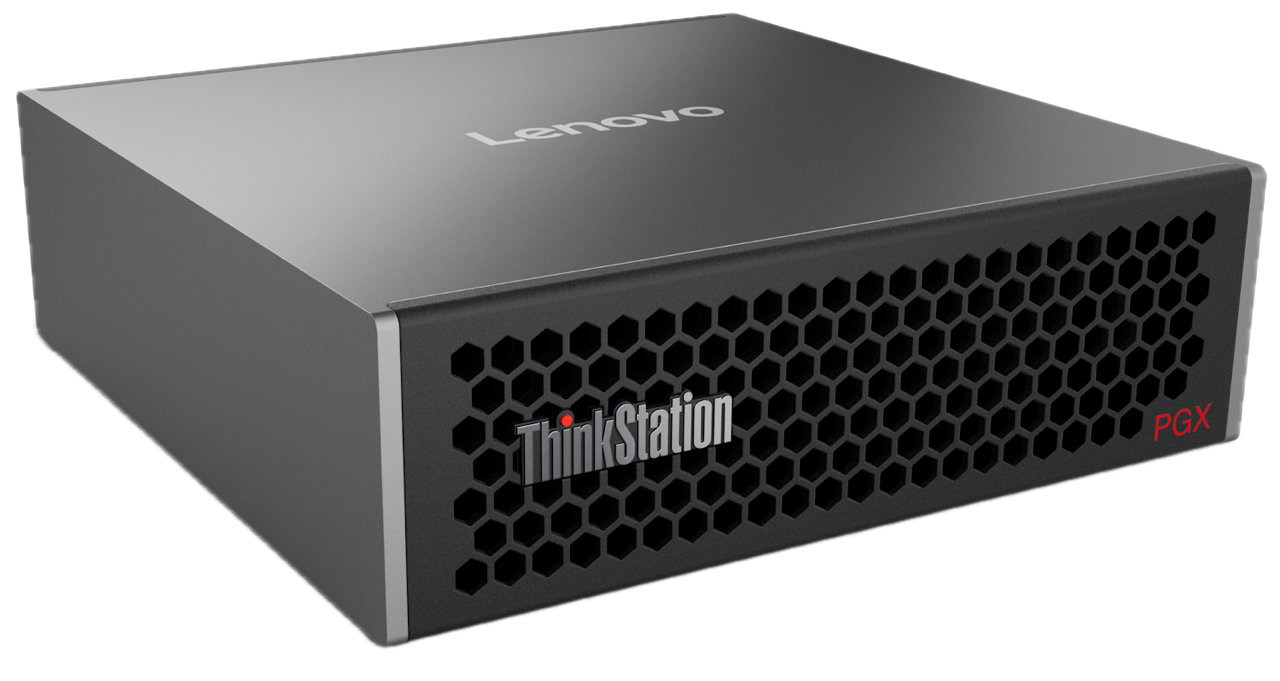
Lenovo
ThinkStation PGX
The GB10 goes corporate — ThinkStation build quality, Premier support options and direct UK supply from Lenovo.
- Memory
- 128 GB
- Bandwidth
- 273 GB/s
- AI perf
- 1 PFLOP FP4
from £5,200 inc VAT
Lenovo UK, 1 TB (30KL000CUC), delivery ~17–19 Nov · 2 TB £6,499.01 · 4 TB Gen5 £7,699.01 · US $5,859 (1 TB)
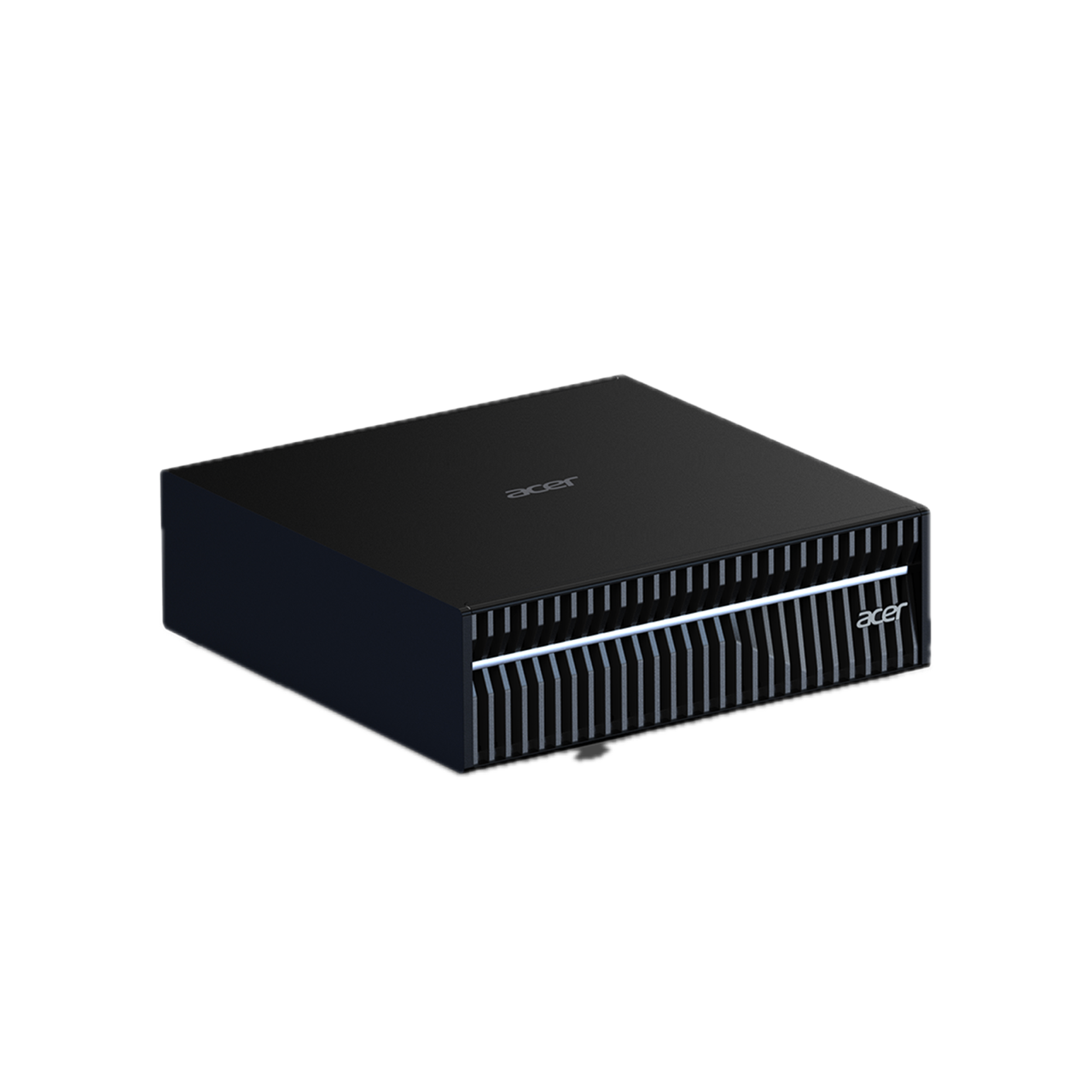
Acer
Veriton GN100
4 TB standard, sold through Acer's business partners — and one of the first boxes with the new 64 GB option.
- Memory
- 128 GB
- Bandwidth
- 273 GB/s
- AI perf
- 1 PFLOP FP4
Quote-only (UK)
Via Acer partners — no named UK retailer price verified · US price unverified
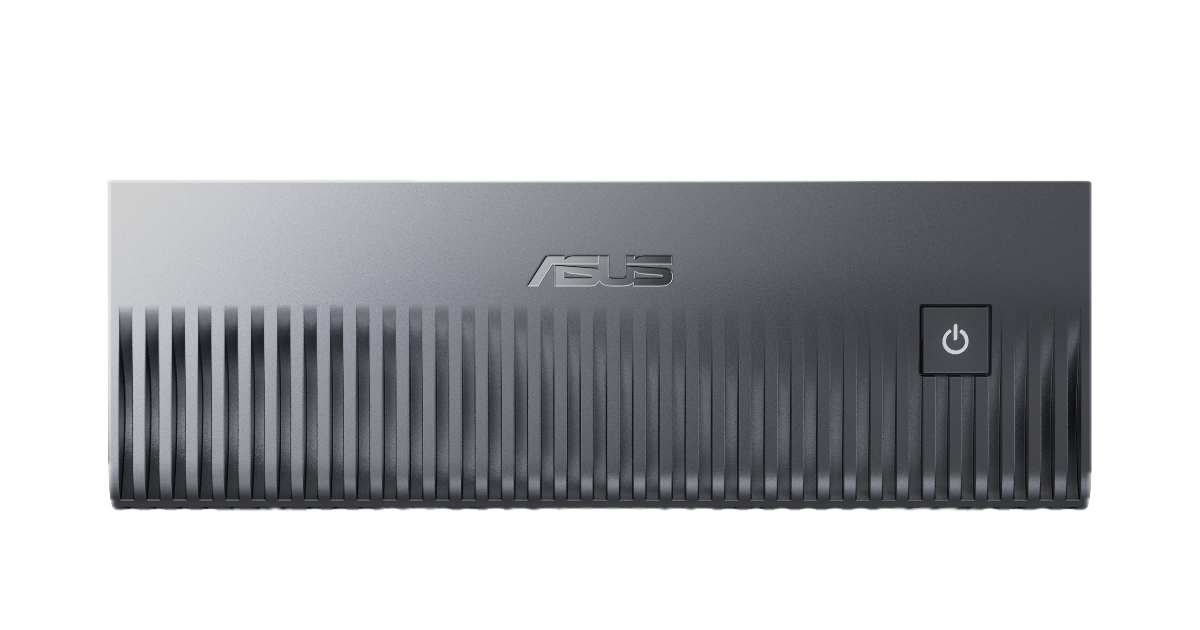
ASUS
Ascent GX10
The volume workhorse — the cheapest verified UK Spark at £5,099, with a TAA-compliant public-sector SKU and a stackable chassis.
- Memory
- 128 GB
- Bandwidth
- 273 GB/s
- AI perf
- 1 PFLOP FP4
£5,099 inc VAT
Scan UK, 1 TB, in stock · Overclockers 2 TB £5,899.99 / 4 TB £6,229.99 (pre-order) · US $5,999 (1 TB), NVIDIA store
MSI
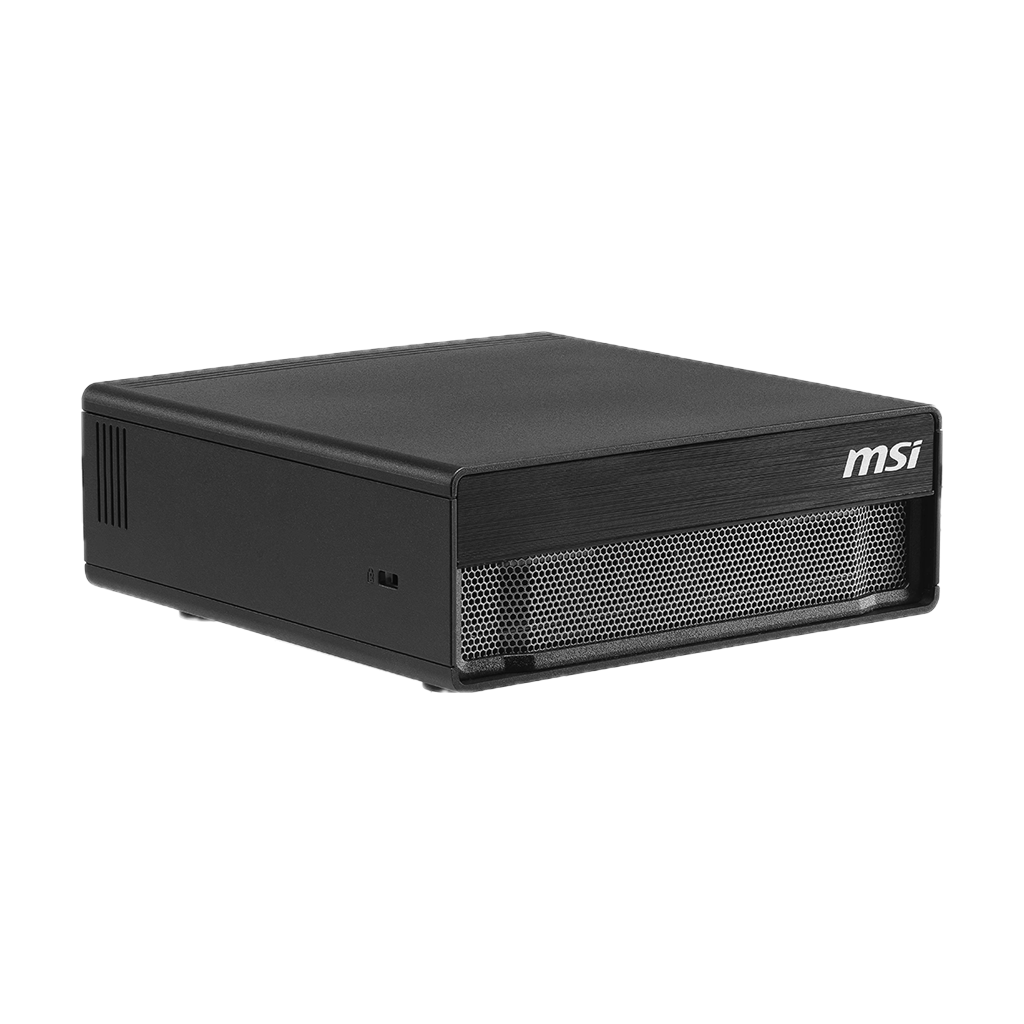
EdgeXpert MS-C931
The clustering-friendly build — a QSFP cable in the box on Gen5 SKUs, and the cheapest 4 TB GB10 in the UK.
- Memory
- 128 GB
- Bandwidth
- 273 GB/s
- AI perf
- 1 PFLOP FP4
£5,099 inc VAT
NVIDIA UK store, 4 TB · Scan £5,699, in stock · US $7,999.99 (13SUS), NVIDIA store
Gigabyte
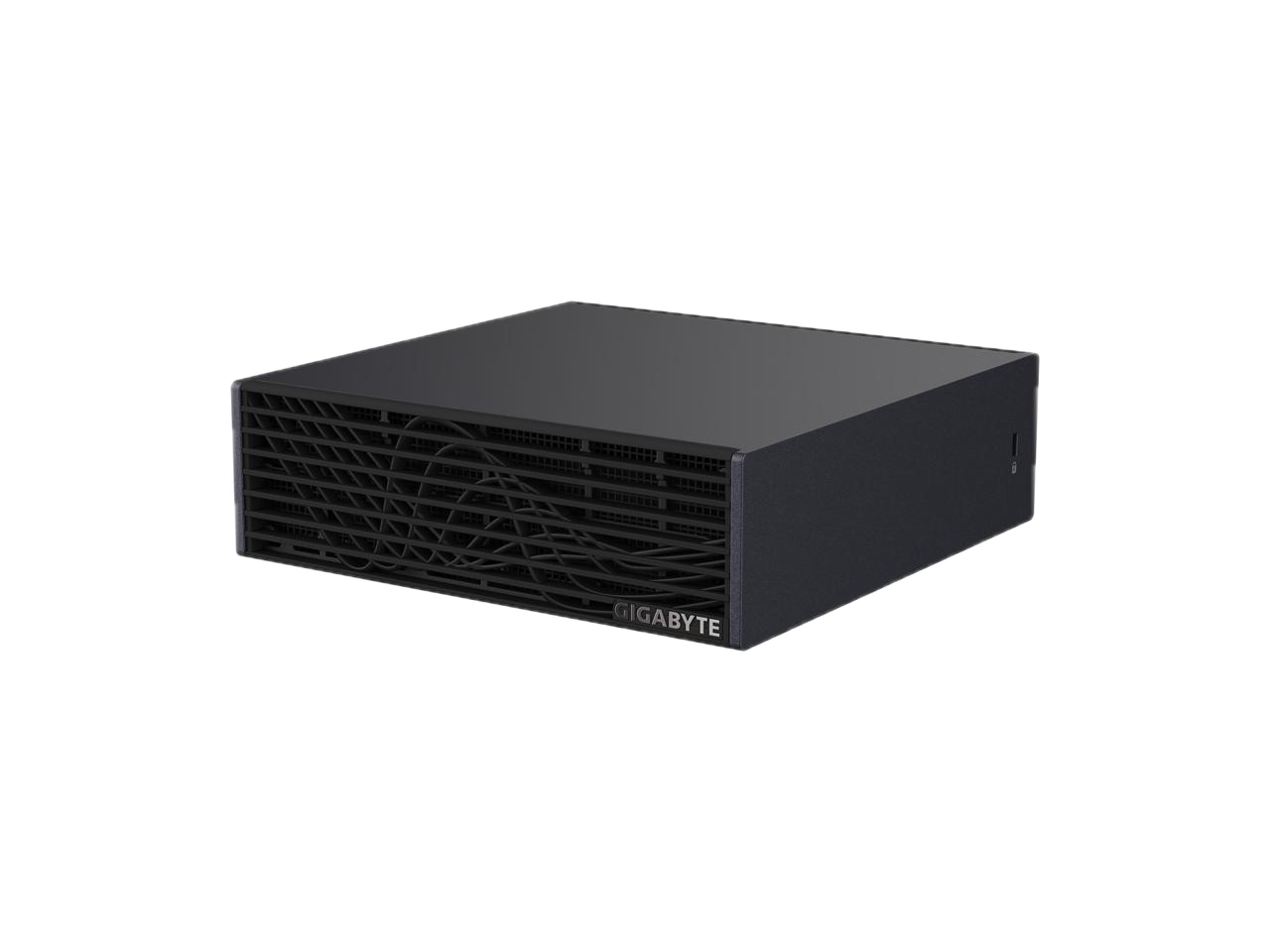
AI TOP ATOM
The GB10 wired into Gigabyte's AI TOP tuning ecosystem — a neat 1-litre box with up to 4 TB of Gen5 storage.
- Memory
- 128 GB
- Bandwidth
- 273 GB/s
- AI perf
- 1 PFLOP FP4
from £5,199.95 inc VAT
Overclockers UK pre-order: 1 TB Gen4 £5,199.95 · 4 TB Gen4 £5,299.99 · 4 TB Gen5 £6,399.95 · US 64 GB from $4,499 (Newegg)
Sources & verification
Specifications and prices verified 2026-11 against the sources below. The memory shortage is repricing this market monthly — we re-verify at quote.
Compare against the rest of the catalogue, or have us spec it against your workloads.
Back to catalogueSpec the DGX Spark 64 GB (partner builds) for your workload
We'll size it against your real token volumes, quote supply and lease options, and stand up the models with evals that prove they do the job — or tell you honestly that a different box (or the API) wins.